

QR Codes are a great way to link between traditional medial like print to a digital format in all its many forms like websites, videos, graphics, social media etc.
QR Codes Table Of Contents
- What are QR Codes
- How to use QR Codes
- How to make QR Codes
- What are different types of QR Codes
- Decorating and examples of QR Codes
- How to Size QR Codes
- What is the difference between QR Codes and Barcodes
- How to use QR Codes in your Marketing
In this article we will look at the basics of how to create and use QR Codes for your business, organisation and personally. I will be showing you how to create Free QR Codes, Dynamic QR Codes, custom QR Codes and much more.
What Are QR Codes
QR Codes come in two basic types, Static and Dynamic. In both, when you create a QR Code the information is embedded within the small squares that make up the QR Code and cannot be changed in either format so it is very secure.
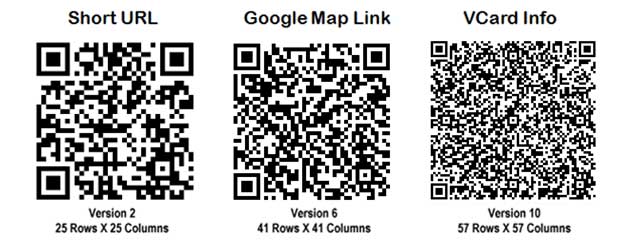
This can then be read by an app or camera on a mobile phone, tablet. The bigger the information entered into the code the more dense the squares appear. A dynamic QR Code uses a database Short URL which the allows for editing of the destination. This cannot be done with anything except a URL.
How to use QR Codes
QR Codes can be used for a huge number of applications from marketing to product information, from contact info to payment info, from social media to videos.
On your compatible Android phone or tablet, open the built-in camera app. If it is an older phone or tablet then download one of the free apps. Point the camera at the QR code. Tap the banner that appears on your Android phone or tablet.
How to make QR Codes
Both types of QR Codes are made the same way. You enter the information and the click on create. That’s It.
The difference comes when you want to use a QR Code for marketing etc as you may want to change the destination. To achieve this you will need a dynamic code which comes with a fee as it is database driven. One week it may go to your Website, another week to your social media, next week to your YouTube page.
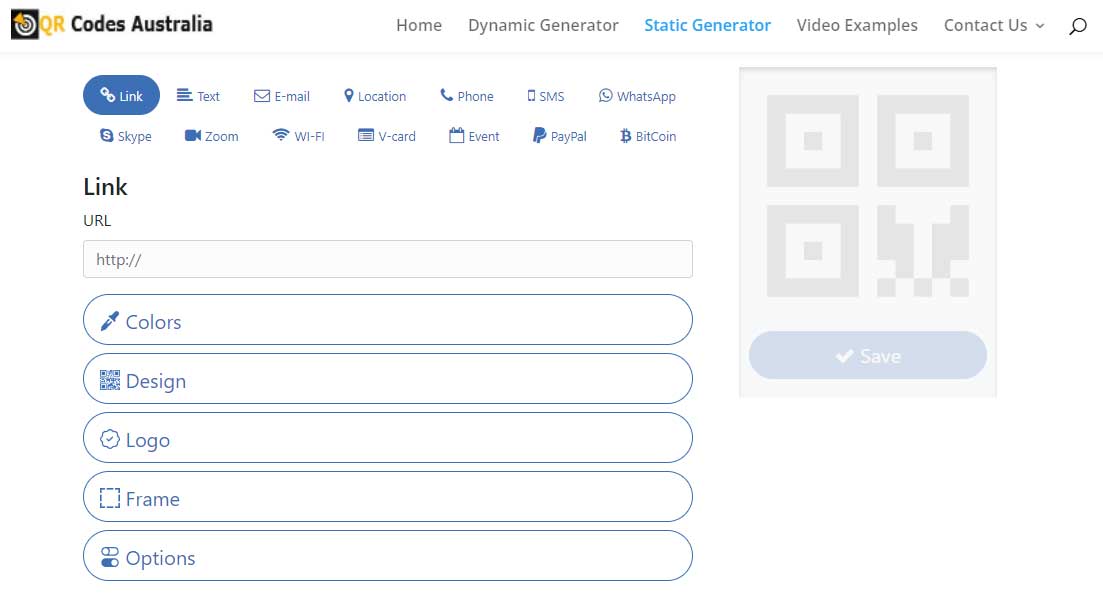
This is the static Code generator however because Dynamic QR Codes only do URLS the form is a lot smaller.
What are different types of QR Codes
A QR Code comes in two types.
1. Free Static QR Code Generator which are free and non editable.
2. Paid Dynamic QR Codes which the destination is editable and trackable and have a fee for the database..
They are both very secure as once the information is entered it cannot be changed in both formats. A dynamic QR Code uses a data base URL and while the URL cannot be changed however the database can. This is all done through an online program you use to change destinations.
To order your Dynamic QR Code go to our online Dynamic QR Codes or Free Static QR Codes
Watch our videos on using dynamic QR Codes and decoration.
Decorating and examples of QR Codes
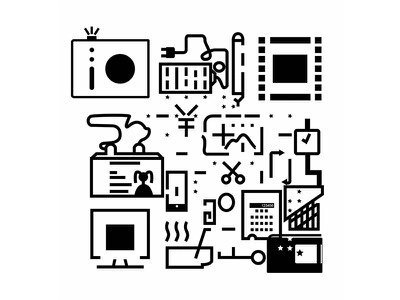
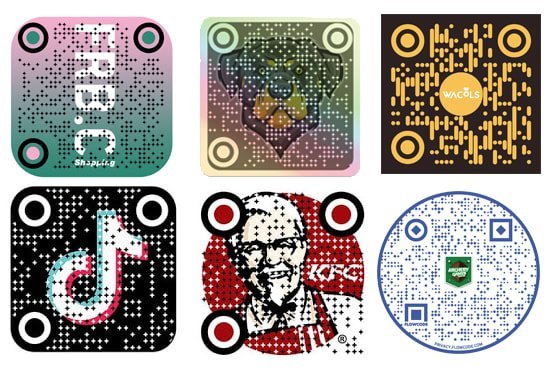
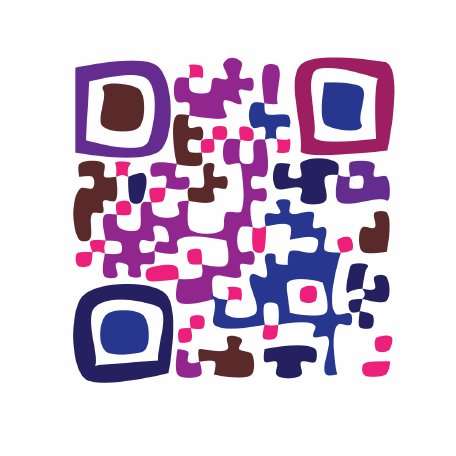
Most use the basic QR Code format of black squares on a white background. You can add logos, backgrounds and colour in the generator however we like to do this outside the generator so we can edit at a later date.
Many will use Photoshop or other graphic design software however if you are a smaller business we suggest you get familiar with Photopea QR Code Decorating which is an online photoshop program. There are lots of video tutorials on Youtube and a short video on our website.
QR Code Decoration

QR Code Decoration 1
QR Code Decoration 2
brainy-logo-2012
QR Code Decoration pacman

QR Code Decoration 5
How to Size QR Codes
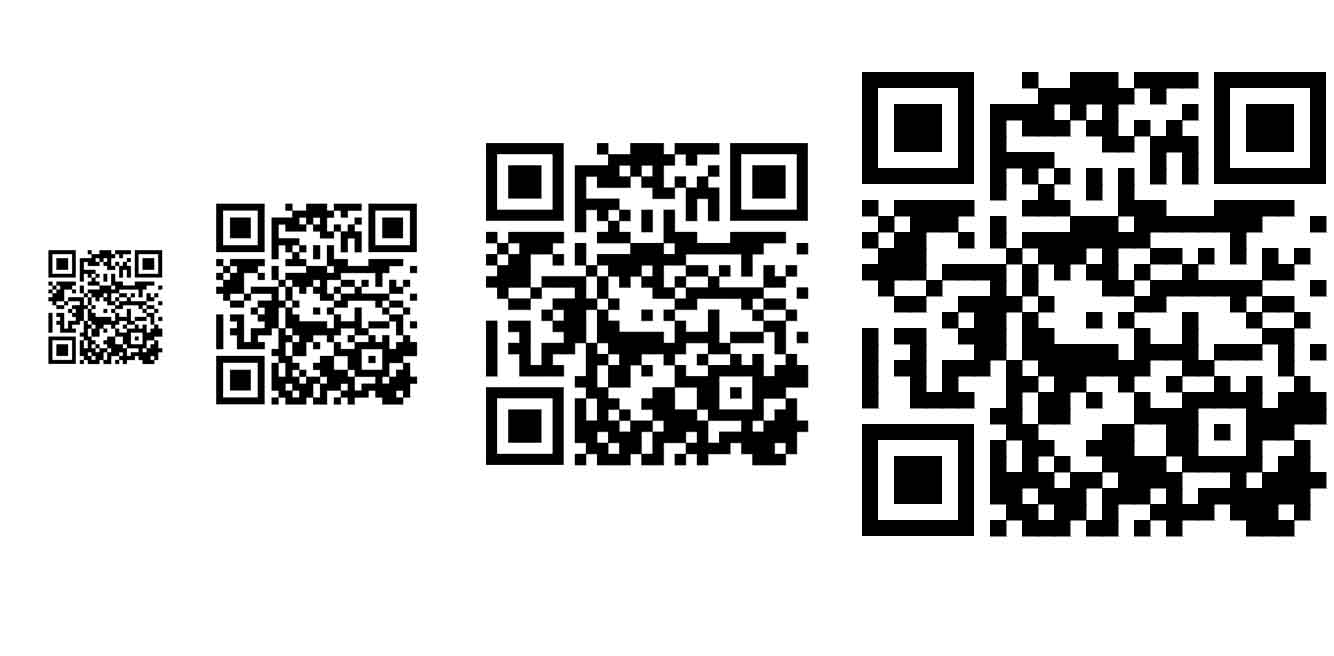
Many times we get asked how small can you make a QR Code so it still scans. The answer is test, test, test before you go to print. QR Codes can be down to 1.5 cm square and still be readable. They should not contain too much data and have less customizations like placing a logo as it would not be wise for a small QR Code.
Obviously this is a lot easier to do with a dynamic QR Code as the URL is always a lot smaller however you can use URL shortner like Bitly to reduce the size.
‘Quiet zone’ is the blank space left around a QR Code in order to differentiate it from other design elements. Smartphone cameras/QR Code readers have to identify clearly where the QR Code is on the marketing material. White spacing does precisely this by providing a buffer zone between the QR Code and other design components.
What is the difference between QR Codes and Barcodes
The main difference between barcodes and QR codes is one of physical dimensions. Barcodes are scanned in a line. This means that data is limited to what can be placed in that one stretch of stripes. QR codes, on the other hand, add another dimension from which information can be written and scanned.
While a barcode only holds information in the horizontal direction, a QR code does holds information in both horizontal and vertical directions. Due to this, a QR code holds hundreds of times more information than a barcode.
How to use QR Codes in your Marketing
I have written a number of posts on marketing with QR Codes.
How To Use QR Code Marketing
- At a conference or meetup
- On Stationary
- Trains Planes and Automobiles
- Personalized direct mail piece
- On products with additional information
- On equipment and tools
- Payment for sales etc
- In various hospitality assets
Summary
QR Codes have become very versatile by linking between offline information and online data. You can generate two types from Static QR Codes to Dynamic QR Codes. I have many other articles that you may find useful.

